
"Spanish colonization"
300 article(s) found

Introduction to the flavor and taste characteristics of coffee in Santa Rita Manor, Colombia, which can be called the boutique coffee.
About 1000 BC, there was a hunter-gatherer society near Bogota today. Around 1000 AD, the American Indians created a political system. It is a pyramid-shaped structure with the top of the tower as the leader. In today's Colombia, two civilizations have adopted this complex system. One is Tayronas in the Caribbean region, and the other is Bogota

Colombia Hope Manor Coffee Flavor Description Grind Variety Processing Method
When news of Napoleon I's invasion of Spain reached Colombia in 1808, the people there immediately launched an independence movement. On July 20, 1810, Bogotá erupted in a massive uprising against Spanish colonial rule, arresting the governor of New Granada. In November 1811, representatives of the provinces organized a Congress in Bogotá, and the United Provincial Government of New Granada was established and proclaimed on November 11.

The taste of Dominica Santo Domingo coffee is mellow with moderately bright sour taste.
In 1586, Captain Drake of England led a fleet to attack the city of Santo Domingo, but was repelled by Spanish troops stationed in Dominica. Between 1605 and 1606, towns on the west coast of Hispaniola were often plundered by pirates, causing most of the local population to move inland. [3] at the beginning of the 17th century, French, Dutch and British pirates lived in the west of Hispaniola

Description of coffee flavor in Nicaraguan Tianyi Manor with round taste introduction to the price of varieties in producing areas
Columbus arrived here in 1502 and reached the east coast of Nicaragua. In 1522, Spanish colonists began to conquer the region. The cities of Granada and Leon were founded in 1524. From then on, Nicaragua became a Spanish colony and came under the jurisdiction of the Governor's Office of Guatemala. The city of Leon developed into a political and cultural center; Granada became a commercial and agricultural center. In the later period of colonial rule

Nicaraguan Coffee with High Alcohol thickness introduction to Fine Coffee in Manor
Columbus arrived here in 1502 and reached the east coast of Nicaragua. In 1522, Spanish colonists began to conquer the region. The cities of Granada and Leon were founded in 1524. From then on, Nicaragua became a Spanish colony and came under the jurisdiction of the Governor's Office of Guatemala. The city of Leon developed into a political and cultural center; Granada became a commercial and agricultural center. In the later period of colonial rule

Guatemala Antigua Coffee beans Starbucks Guatemalan Coffee beans
Approval criteria: in 1979, according to Cultural Heritage selection criteria C (ii) (iii) (iv), it was listed on the World Heritage list of Antigua Guatemala (Old Guatemala City), located near the summit of the Agua and Fuego volcanoes. The center of the area is threatened by the earthquake. The city was founded in 1543 and has administrative functions. When PedordeAl of Alvaradu

Nicaragua Maraka Dula Coffee Flavor description method introduction to the planting environment of the manor
Columbus arrived here in 1502 and reached the east coast of Nicaragua. In 1522, Spanish colonists began to conquer the region. The cities of Granada and Leon were founded in 1524. From then on, Nicaragua became a Spanish colony and came under the jurisdiction of the Governor's Office of Guatemala. The city of Leon developed into a political and cultural center; Granada became a commercial and agricultural center. In the later period of colonial rule

Introduction to the flavor and taste characteristics of chocolate-flavored coffee from Nicaragua Los Congo Manor
Columbus arrived here in 1502 and reached the east coast of Nicaragua. In 1522, Spanish colonists began to conquer the region. The cities of Granada and Leon were founded in 1524. From then on, Nicaragua became a Spanish colony and came under the jurisdiction of the Governor's Office of Guatemala. The city of Leon developed into a political and cultural center; Granada became a commercial and agricultural center. In the later period of colonial rule

How much is Colombian Santa Rita coffee? Colombian Santa Rita coffee price
Professional baristas exchange please pay attention to the coffee workshop (Wechat official account cafe_style) flavor: sugar, clean, medium mellow thickness located in northwest South America, Colombia is a beautiful country with a long history. Indians have lived on this land since ancient times. It was colonized by Spain in 1531 and gained independence in 1819. Reform in 1886

Introduction to the characteristics of coffee flavor and taste manor in Incht Manor, Guatemala
From the 4th century to the 11th century, the Petten lowland region of Guatemala was the center of ancient Indian Mayan culture, and many pyramids and urban ruins left over from this period are still visible today. [7] at the end of the 11th century, Mayan culture still existed in the central highlands after the Mayan culture in the lowlands of Guatemala was eliminated. [7] in 1523, the Spaniards came to Guatemala

Introduction to the rich aroma, smooth and meticulous coffee flavor and taste of Nicaraguan Heavenly Manor
Columbus arrived here in 1502 and reached the east coast of Nicaragua. In 1522, Spanish colonists began to conquer the region. The cities of Granada and Leon were founded in 1524. From then on, Nicaragua became a Spanish colony and came under the jurisdiction of the Governor's Office of Guatemala. The city of Leon developed into a political and cultural center; Granada became a commercial and agricultural center. In the later period of colonial rule

Fragrant and delicious Nicaraguan coffee taste introduction to the characteristics of fine coffee beans in manor
Columbus arrived here in 1502 and reached the east coast of Nicaragua. In 1522, Spanish colonists began to conquer the region. The cities of Granada and Leon were founded in 1524. From then on, Nicaragua became a Spanish colony and came under the jurisdiction of the Governor's Office of Guatemala. The city of Leon developed into a political and cultural center; Granada became a commercial and agricultural center. In the later period of colonial rule
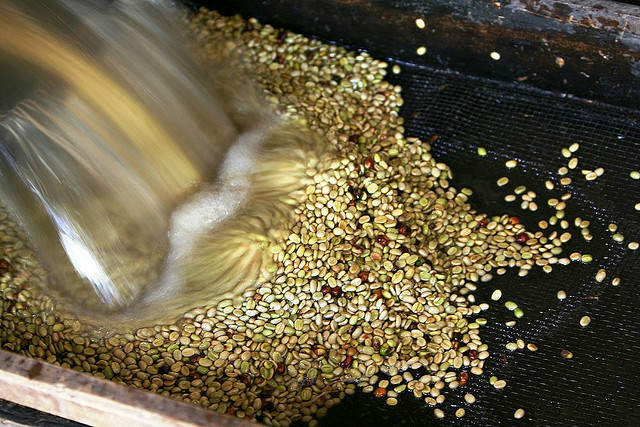
China Coffee Network Historical Coffee Variety grown in Colombia Kadu Ekadura washing treatment
The history of coffee cultivation in Colombia can be traced back to the Spanish colonial era in the 16th century, and there are many theories about the history of coffee in Colombia: one: it is said to come from the island of Haiti in the Caribbean and from El Salvador in Central America. Second: in 1808, a priest introduced coffee beans to Colombia for the first time from the French Antilles via Venezuela. One of them

Sour and bright Nicaragua Los Congo Manor Coffee Manor Fine Coffee
Columbus arrived here in 1502 and reached the east coast of Nicaragua. In 1522, Spanish colonists began to conquer the region. The cities of Granada and Leon were founded in 1524. From then on, Nicaragua became a Spanish colony and came under the jurisdiction of the Governor's Office of Guatemala. The city of Leon developed into a political and cultural center; Granada became a commercial and agricultural center. In the later period of colonial rule

Classification, price, raw beans and roasting degree of washed coffee beans in Santa Rita, Colombia
Professional baristas exchange please pay attention to the coffee workshop (Wechat official account cafe_style) flavor: sugar, clean, medium mellow thickness located in northwest South America, Colombia is a beautiful country with a long history. Indians have lived on this land since ancient times. It was colonized by Spain in 1531 and gained independence in 1819. Reform in 1886

Starbucks Cacicero Coffee beans-the warmth behind the story of Guatemala Cacicero Coffee beans
For more information on coffee beans, please follow the Coffee Workshop (official Wechat account cafe_style) front street-Guatemala Cacicero introduced Guatemala as one of the ancient Indian Mayan cultural centers, in the Mayan-Toltec language, Guatemala means forested land with an area of 2/3 of the plateau. High altitude, mild climate

A brief introduction to the export volume of coffee bean planting area in the Fire Phoenix Manor of Costa Rica in North America.
A detailed introduction to the output and export area of coffee beans planted in Costa Rica Fenghuang Manor in North America in 1563, Costa Rica became a Spanish colony and came under the jurisdiction of the Governor of Guatemala. During the colonial period, under the cruel enslavement and oppression of the Spanish colonists, the Indians were almost wiped out, and there was little labor available for enslavement, and the Spaniards were forbidden.

Introduction to the characteristics of coffee producing areas of boutique coffee beans in Tianyi Manor, Nicaragua
Columbus arrived here in 1502 and reached the east coast of Nicaragua. In 1522, Spanish colonists began to conquer the region. The cities of Granada and Leon were founded in 1524. From then on, Nicaragua became a Spanish colony and came under the jurisdiction of the Governor's Office of Guatemala. The city of Leon developed into a political and cultural center; Granada became a commercial and agricultural center. In the later period of colonial rule

Nicaragua coffee production area varieties production characteristics of fine coffee beans roasting degree introduction
Columbus sailed here in 1502 and reached the east coast of Nicaragua. In 1522, Spanish colonists began conquering the area. In 1524 the cities of Granada and Leon were founded. From then on, Nicaragua became a Spanish colony and was placed under the jurisdiction of the Governor General of Guatemala. León became a political and cultural centre; Granada became a commercial and agricultural centre. In the late colonial period,
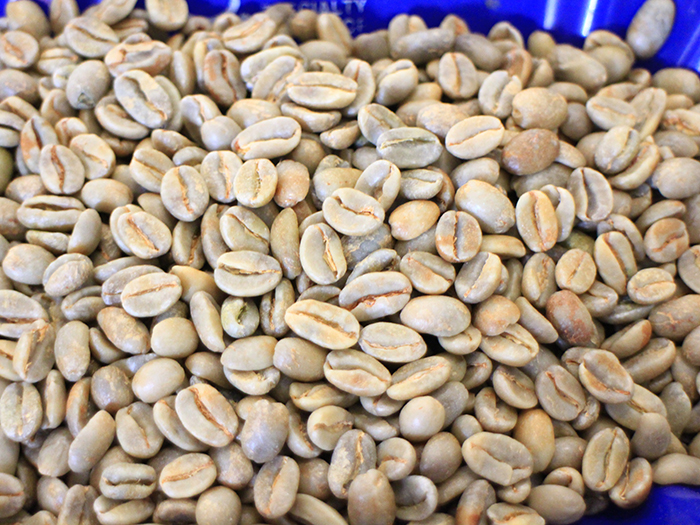
Colombia Santa Rita Coffee Green Beans Andes Micro-production washed high quality imported green beans
The history of coffee cultivation in Colombia can be traced back to the Spanish colonial era in the 16th century. There are also many sayings about the history of coffee in Colombia: First, it is said to have been transmitted from the Caribbean island of Haiti via El Salvador in Central America. Second, coffee beans were first introduced into Colombia in 1808 by a priest from the French Antilles via Venezuela. one of